
Mongolia:
An Early Paraforesters
‘Proof of Concept’
Mongolia demonstrated that a small investment in locally accredited technical skills can transform community forest management.
Mongolia, Forest User Groups (FUGs) :
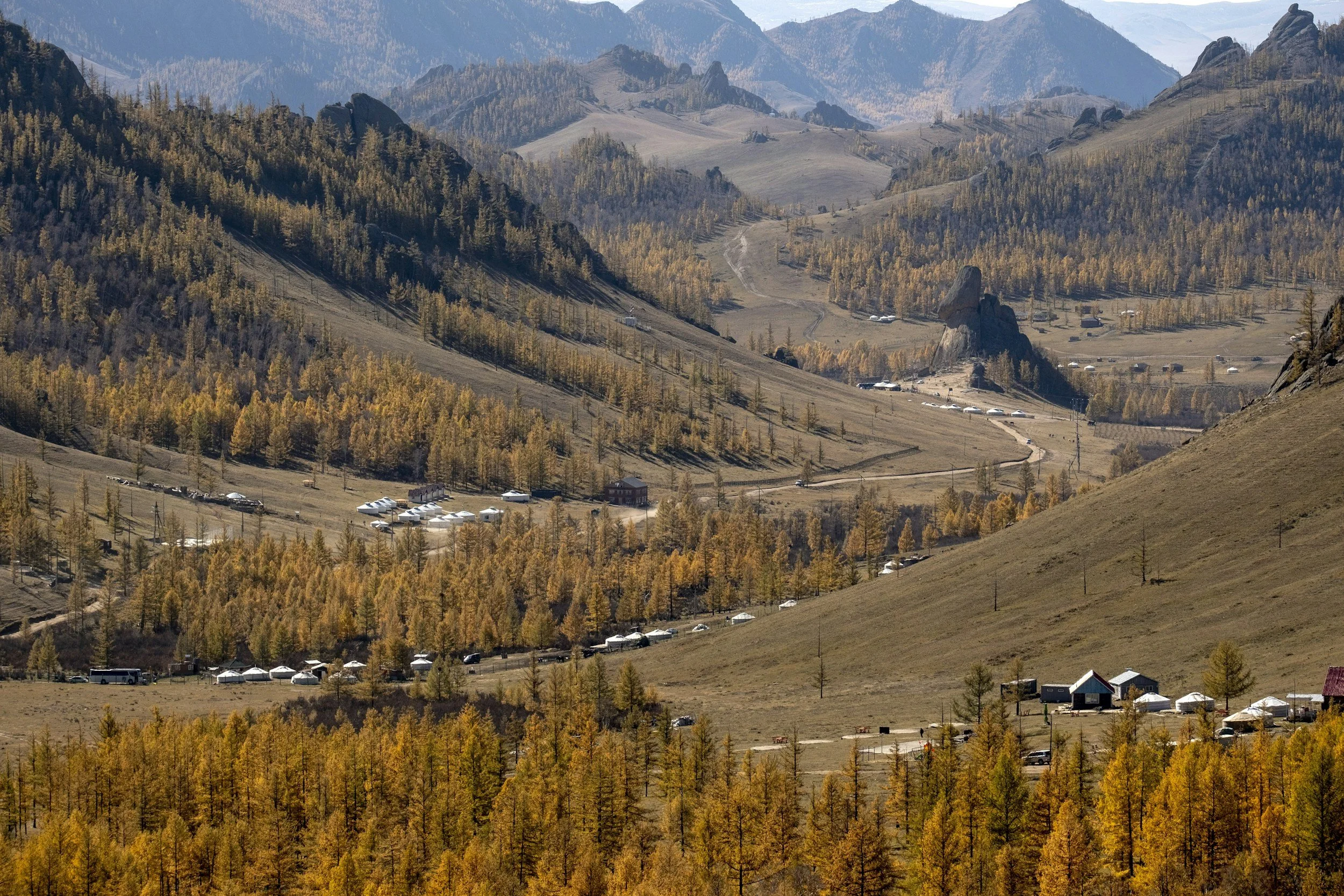
Mongolia’s Forest User Groups (FUGs), made up largely of herding families, were granted responsibility for managing forests averaging around 3,000 hectares dominated by Siberian larch and Scots pine trees.
In principle, the reform was progressive: local people were given responsibility for forests that they depended on and lived alongside.
In practice, however, a fundamental contradiction emerged. The reform transferred responsibility—but not the recognised technical authority needed to fulfil it.
Challenges Faced :
Most of these forests faced serious ecological pressures, including widespread insect pest outbreaks and increasingly destructive, fast-spreading fires. FUG members could clearly see that many of the stands in their forests were too dense and overstocked, with thick, sometimes impenetrable areas that increased pest vulnerability and fire risk.
The obvious solution was selective thinning.
But here was the problem: under Mongolian regulations, cutting a “green tree” without a formal forestry qualification was illegal. Even when thinning was clearly necessary for forest health, FUG members risked fines or penalties if they carried it out.
In other words, communities had been given responsibility for managing forests—but not the legal authority or skills certification required to do so.
The practical constraint
There was another reality. Most FUG members were herders, whose primary livelihoods depended on their livestock. They could not leave their animals for weeks or months to attend formal forestry training courses in distant towns.
So the challenge became clear:
How could local people gain the professional competence and legal authority needed to manage their forests—without abandoning their livelihoods?
A practical solution: short pro-fessional training :
So, a pilot initiative, supported by FAO and the Global Environment Facility (GEF) and the Ministry of Environment, tested a simple idea.
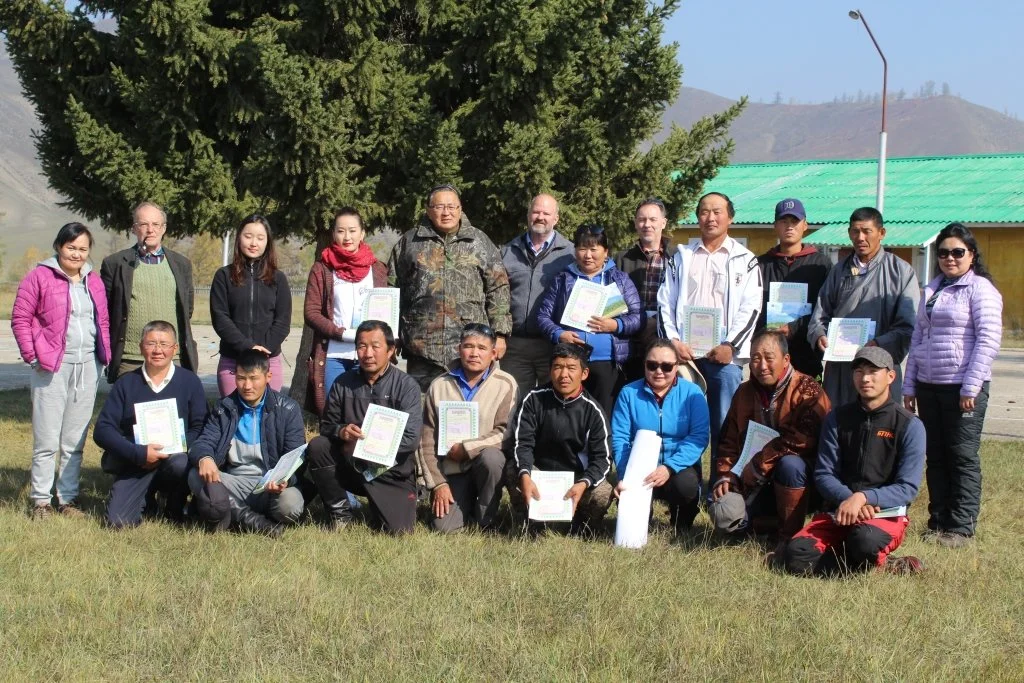
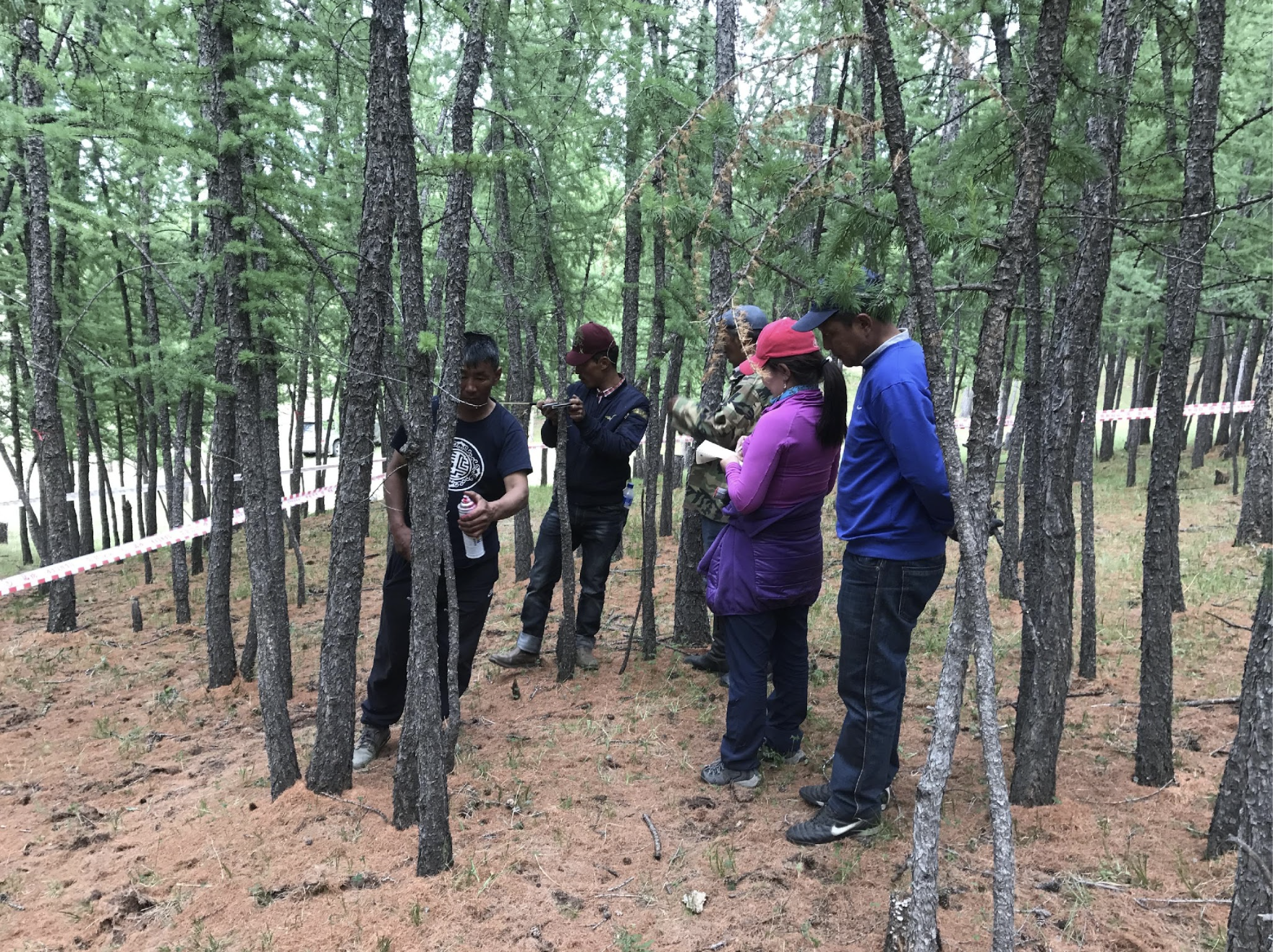
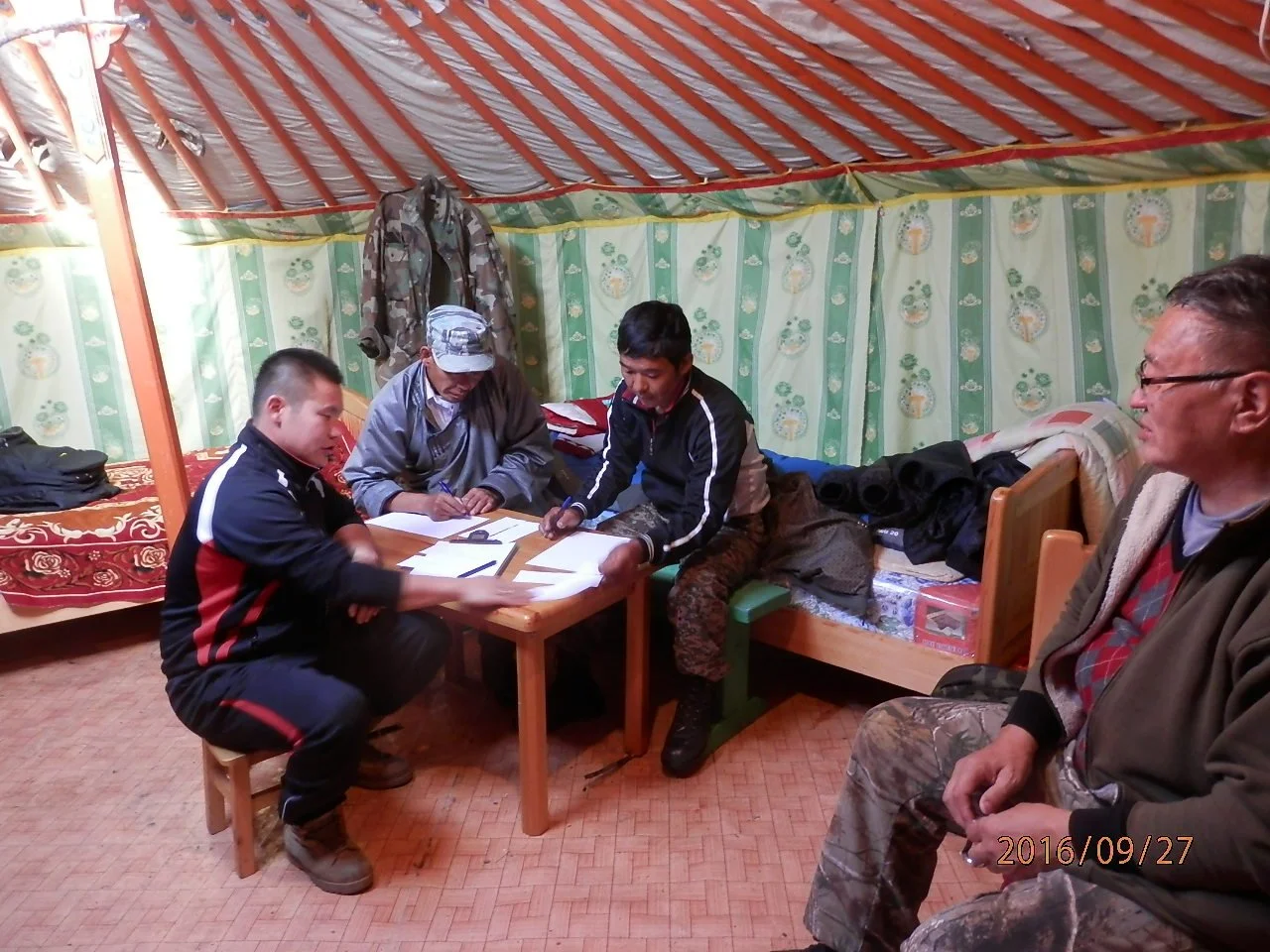
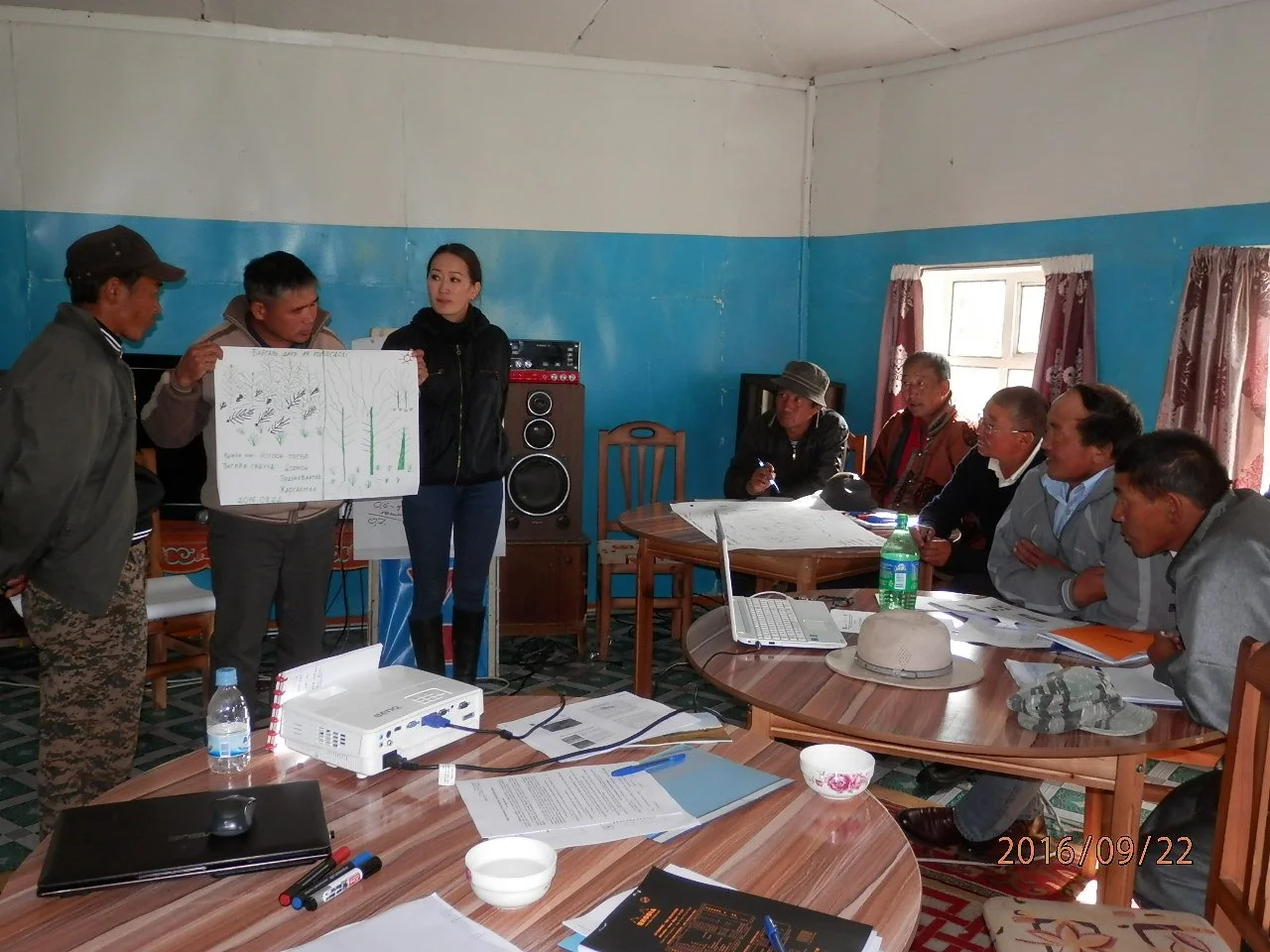
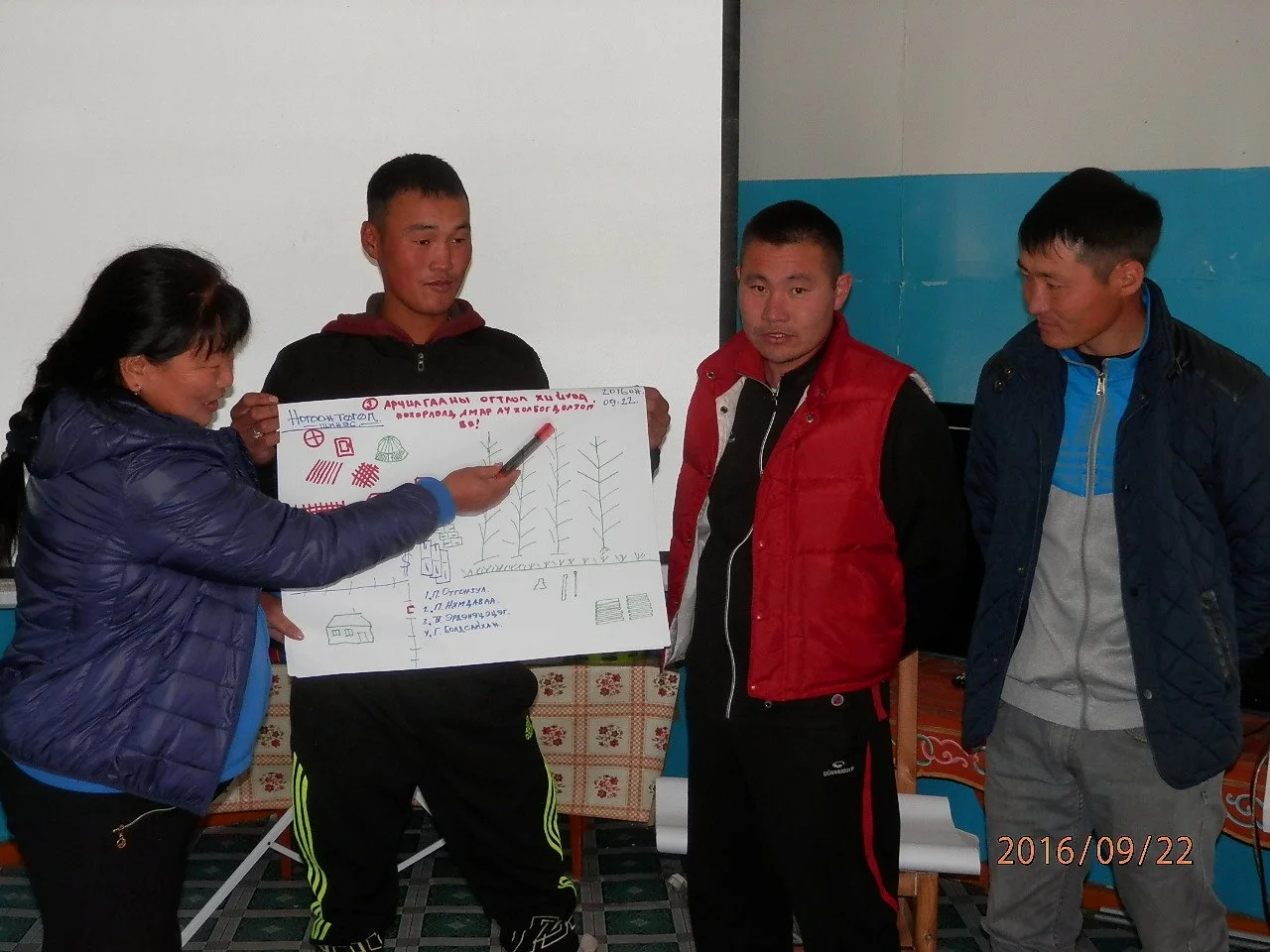
Like millions of rural people worldwide, FUG members could not simply leave their livelihoods for weeks or months to attend forestry college so instead of requiring long formal forestry qualifications, short, in-situ training courses were delivered directly to Forest User Groups. These intensive five-day courses were designed and delivered by certified foresters and experts to reach nationally recognised competency.
Participants learned how to:
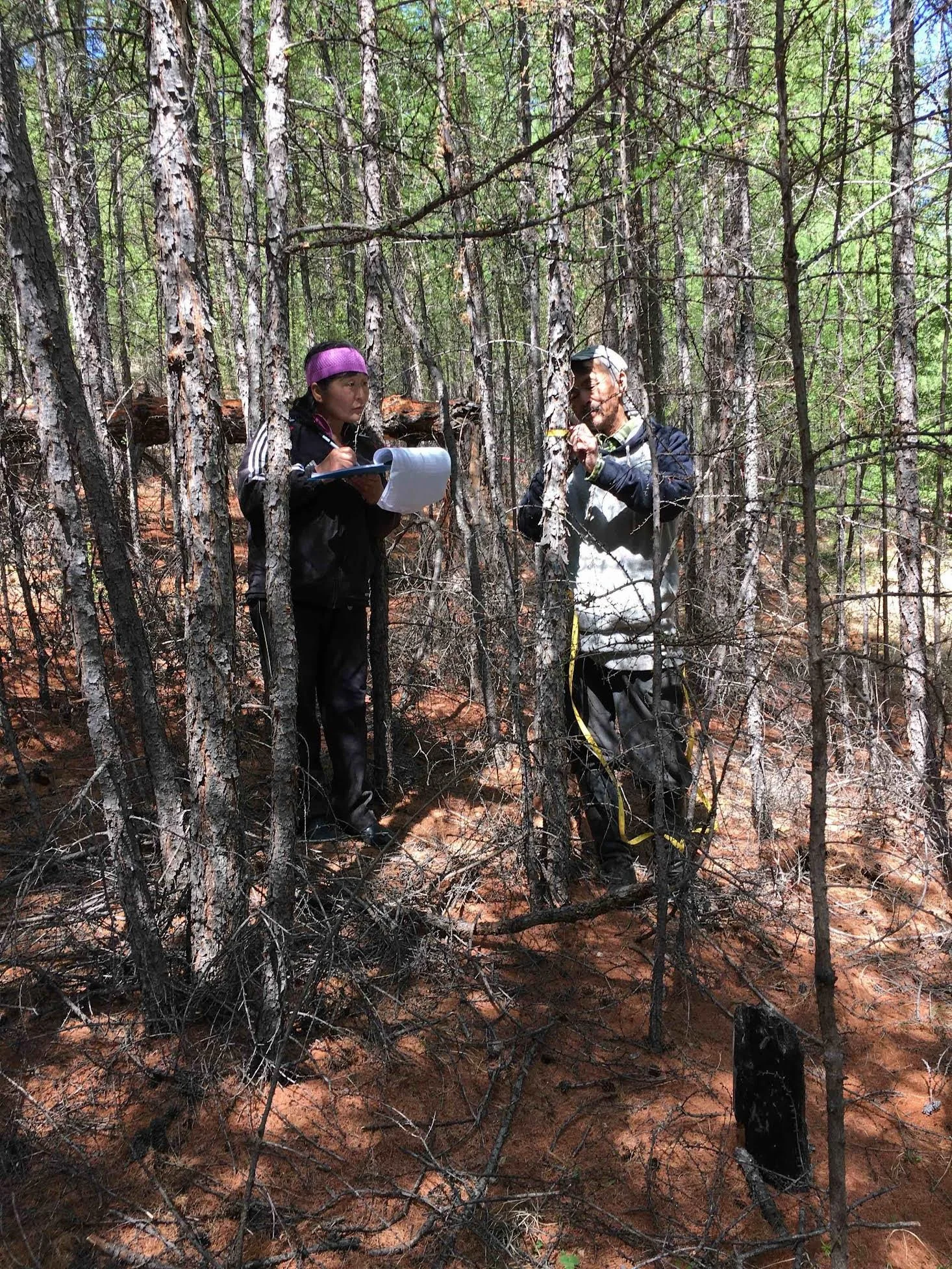
𖠰 Assess stand density
𖠰 Plan thinning interventions
𖠰 Carry out pre-commercial thinning safely and effectively
𖠰 Manage harvested poles and residues
Crucially, on successful completion, participants were formally certified to undertake thinning operations under national regulations.
From penalties to incentives :
This change had an immediate impact.
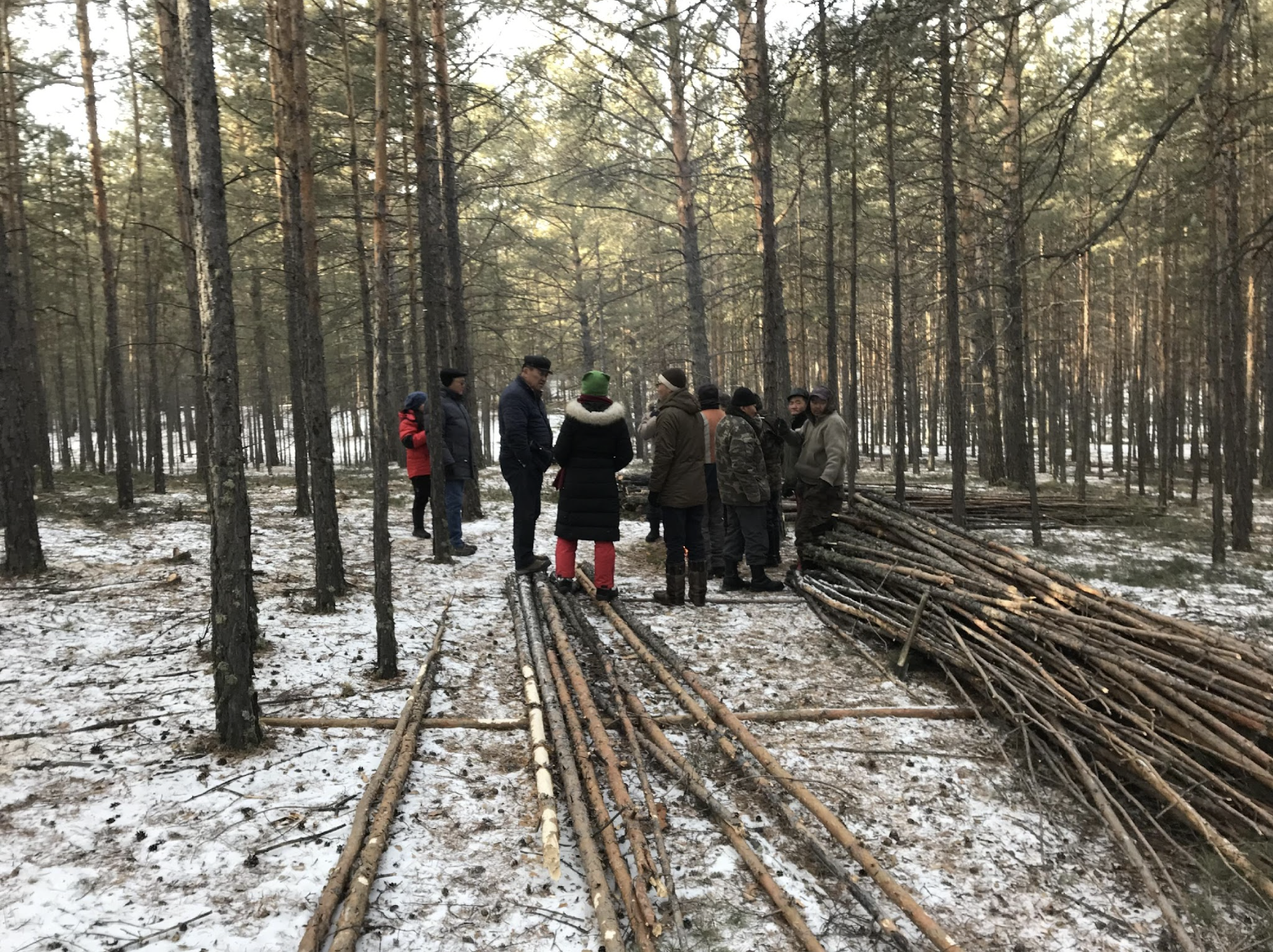
Once trained and recognised, FUG members were able to legally participate in government-funded pre-commercial thinning programmes. Instead of facing fines, communities were now paid for improving forest health.
Initially the government payment was around USD 45 per hectare. Today it has increased to around USD 120 per hectare, and communities are also able to retain the harvested poles.
The pilot demonstrated that locally accredited forest practitioners could:
𖠰 Undertake thinning safely and legally
𖠰 Reduce forest fuel loads and fire risks
𖠰 Improve stand condition
𖠰 Generate income from forest management
𖠰 Stimulate local forest enterprises
The Mongolia pilot showed that when communities gain recognised technical skills- not just forest rights - they can become the skilled local workforce needed to manage forests more actively and sustainably while also improving livelihoods as well.